April 23, 2025
5 minutes read time
Recognizing Acid Reflux Early Can Protect Your Health and Comfort Long-Term
Why Recognizing and Treating Acid Reflux Early Can Protect Your Health and Comfort Long-Term
That Burning Feeling Deserves Attention
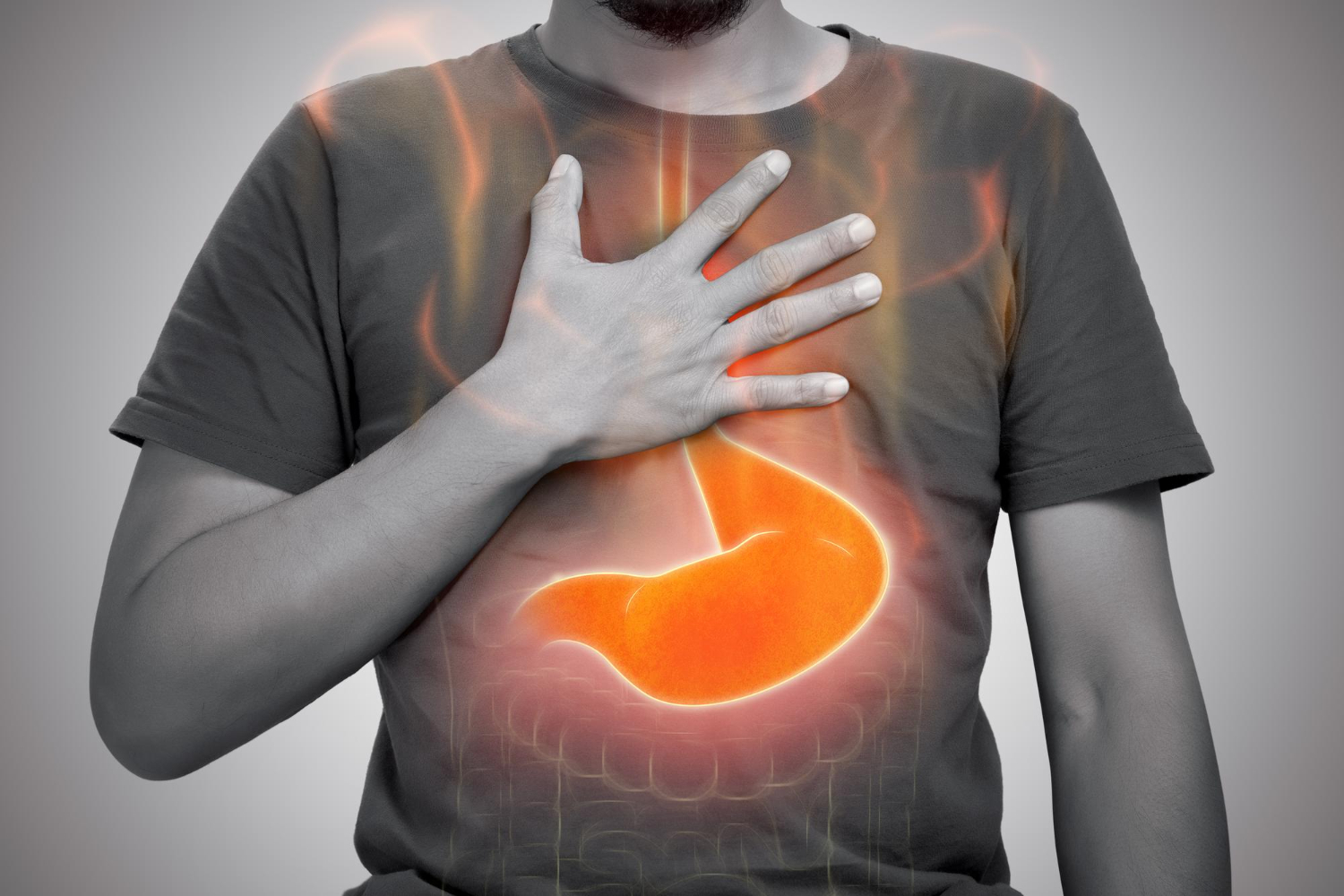
We’ve all felt it "a burning sensation in the chest", maybe after a big meal or a late-night snack. While occasional heartburn is common, frequent symptoms could be a sign of gastroesophageal reflux disease (GERD), a condition that affects millions and is often misunderstood or overlooked.
Some patients assume their symptoms are just a normal part of aging or eating. But reflux can silently damage the esophagus over time if left untreated. The good news? It’s very manageable and in many cases, preventable.
What Is Reflux?
Reflux occurs when stomach acid flows backward into the esophagus, the tube that connects your mouth to your stomach. This backwash can irritate the lining of your esophagus, causing symptoms such as:
-
Heartburn (a burning feeling in the chest)
-
Regurgitation of food or sour liquid
-
Chronic cough or throat clearing
-
Hoarseness or sore throat
-
A lump-in-the-throat sensation
-
Difficulty swallowing
These symptoms can occur occasionally, or become a frequent, disruptive part of daily life.
What Causes Reflux?
There are several factors that contribute to acid reflux and GERD:
-
Weakening of the lower esophageal sphincter (LES)
-
Obesity or being overweight
-
Hiatal hernia
-
Smoking
-
Certain foods and drinks (spicy foods, caffeine, alcohol, chocolate, fatty meals)
-
Eating late at night or lying down after meals
-
Certain medications
Understanding your personal triggers is a key step toward relief.
When Is It More Than Just Heartburn?
Occasional symptoms may be nothing to worry about. But if you're experiencing heartburn or regurgitation more than twice a week, or if symptoms are affecting your sleep or daily life, it's time to seek medical advice.
Untreated GERD can lead to complications, including:
-
Esophagitis (inflammation of the esophagus)
-
Esophageal strictures (narrowing from scar tissue)
-
Barrett’s esophagus (a precancerous condition)
-
Increased risk of esophageal cancer
That’s why early evaluation is so important, not just for comfort, but for long-term health.
How Is Reflux Diagnosed?
Your doctor may start with a detailed history and physical exam. Further testing might include:
-
Upper endoscopy to examine the esophagus and rule out damage
-
pH monitoring to measure acid levels in the esophagus
-
Esophageal manometry to assess how well your esophagus is working
These tests help guide the best treatment strategy for you.
Treatment: Relief Is Within Reach
Managing reflux often starts with lifestyle changes:
-
Eat smaller meals and avoid lying down for at least 2–3 hours after eating
-
Elevate the head of your bed if symptoms occur at night
-
Stop smoking and limit alcohol
-
Manage stress
-
Lose excess weight
In addition, medications may be prescribed, such as:
-
Antacids for quick relief
-
H2 blockers to reduce acid production
-
Proton pump inhibitors (PPIs) for long-term control
-
In rare cases, surgical procedures may be considered for persistent symptoms
Final Thoughts From Your Gastroenterologist
Reflux may seem like a minor annoyance but it’s your body’s way of signaling that something isn’t quite right. Left unaddressed, it can cause serious complications. The good news is, with the right treatment plan, you don’t have to live with discomfort.
If you're dealing with persistent heartburn, regurgitation, or throat symptoms, let’s take the next step. We’ll work together to relieve your symptoms, protect your esophagus, and improve your quality of life.
Don’t ignore the burn. If reflux is interrupting your days or nights, talk to your doctor. A few simple steps can make a big difference, starting today.