June 30, 2025
5 minutes read time
Colonoscopy: Your Best Defense Against Silent Digestive Diseases
A Clear Look Into Colon Health – What to Expect, Why It’s Important, and When You Should Get Screened
A colonoscopy may not be something you look forward to, but it’s one of the most powerful tools in modern medicine for detecting and preventing colon-related diseases, including colorectal cancer. Whether you're due for routine screening or experiencing digestive symptoms, understanding the process can help you approach your colonoscopy with confidence.
In this blog, we’ll walk you through what a colonoscopy is, how it’s done, how it feels, possible complications, and when it’s medically necessary.
What Is a Colonoscopy?
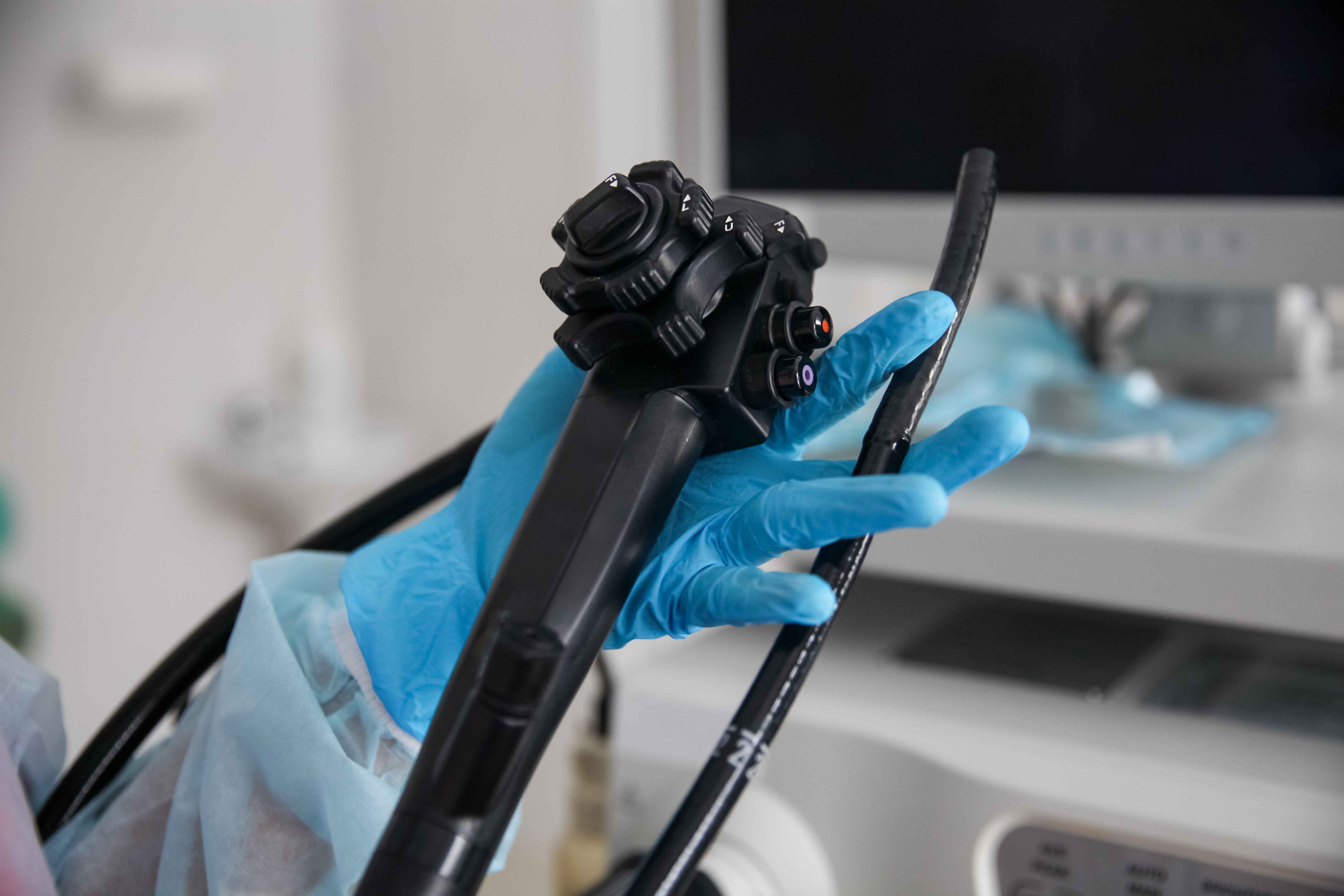
A colonoscopy is a minimally invasive procedure that allows your doctor to visually examine the entire colon and rectum using a thin, flexible tube equipped with a camera and light called a colonoscope.
It’s a vital diagnostic and preventive procedure that not only helps detect early signs of colorectal cancer, but can also diagnose polyps, inflammation, bleeding, or other abnormalities in the lower digestive tract.
Why Might You Need a Colonoscopy?
Your doctor may recommend a colonoscopy for one or more of the following reasons:
-
Routine colorectal cancer screening (usually starting at age 45 or before if family history)
-
Family history of colon cancer or polyps
-
Rectal bleeding or blood in the stool
-
Chronic diarrhea or constipation
-
Unexplained abdominal pain or bloating
-
Iron-deficiency anemia without a clear cause
-
Surveillance in patients with inflammatory bowel disease (e.g., Crohn’s disease, ulcerative colitis)
-
Follow-up of abnormal imaging or previous findings
Colonoscopy not only allows visualization but also enables treatment, such as removing polyps or taking biopsies during the same session.
How Is the Procedure Performed?
A colonoscopy is usually done in a hospital or outpatient center and typically takes 20 to 45 minutes. Here's what the process looks like:
Before the Procedure:
-
You’ll need to follow a bowel preparation regimen, which includes taking a laxative solution the day before to completely cleanse the colon.
-
You will need to avoid solid food for 24 hours before the exam and stick to a clear liquid diet.
-
Your doctor will advise you on how to manage your regular medications.
-
You must arrange for someone to drive you home, as sedation is used.
During the Procedure:
-
You will lie on your left side in a comfortable position.
-
A sedative and pain reliever will be administered through an IV to help you relax or sleep during the procedure.
-
The doctor gently inserts the colonoscope through the rectum and guides it through the colon, viewing images on a screen.
-
If any polyps or abnormal tissue are found, they can often be removed or biopsied immediately.
After the Procedure:
-
You will be monitored in a recovery area until the sedation wears off.
-
Mild bloating, cramping, or gas is normal and usually short-lived.
-
You can resume normal diet and activities the next day, unless advised otherwise.
Is the Procedure Painful?
No, colonoscopy is not typically painful. Thanks to modern sedation and skilled technique, most patients sleep through the procedure and wake up with little to no memory of it. If you are awake, you may feel mild pressure or cramping as the scope moves through the colon, but this is temporary and manageable.
Are There Any Risks?
Colonoscopy is considered very safe, especially when performed by an experienced gastroenterologist. However, as with any medical procedure, there are rare risks, including:
-
Bleeding, especially after polyp removal
-
Perforation (a small tear in the bowel wall)
-
Adverse reaction to sedatives
-
Infection (extremely rare)
These risks occur in less than 1 in 1,000 cases and are typically manageable with prompt care.
When Should You Consider Seeing a Doctor for a Colonoscopy?
Talk to your gastroenterologist if you:
-
Are 45 years or older and haven’t had a screening yet
-
Have a family history of colorectal cancer or polyps
-
Experience rectal bleeding, blood in the stool, or persistent bowel changes
-
Have abdominal discomfort, bloating, or unexplained weight loss
-
Are being monitored for IBD or previous polyps
Early detection saves lives. Colon cancer often develops silently over years without symptoms until it’s too late. A colonoscopy can find it early or prevent it altogether.
Conclusion: A Simple Procedure With Life-Saving Benefits
A colonoscopy may seem daunting, but it’s one of the most effective ways to protect your digestive health. With today’s sedation techniques, the procedure is comfortable, quick, and low-risk, yet the peace of mind and early detection it provides are invaluable.
If you’ve been putting off a colonoscopy, talk to your doctor. Prevention and early diagnosis are always better than cure and your colon deserves the attention.