June 15, 2025
5 minutes read time
Upper GI Endoscopy: A Clear View Into Your Digestive Health
What You Need to Know About the Procedure, Comfort, Risks, and When It’s Necessary
When digestive symptoms become persistent or unclear, one of the most accurate and effective tools your doctor may recommend is an upper GI endoscopy. This minimally invasive procedure allows for direct visualization of the upper digestive tract, helping diagnose, monitor, or even treat a range of gastrointestinal conditions.
While the idea of a scope may sound intimidating, the process is typically quick, comfortable, and essential in guiding your treatment and overall well-being.
What Is an Upper GI Endoscopy?
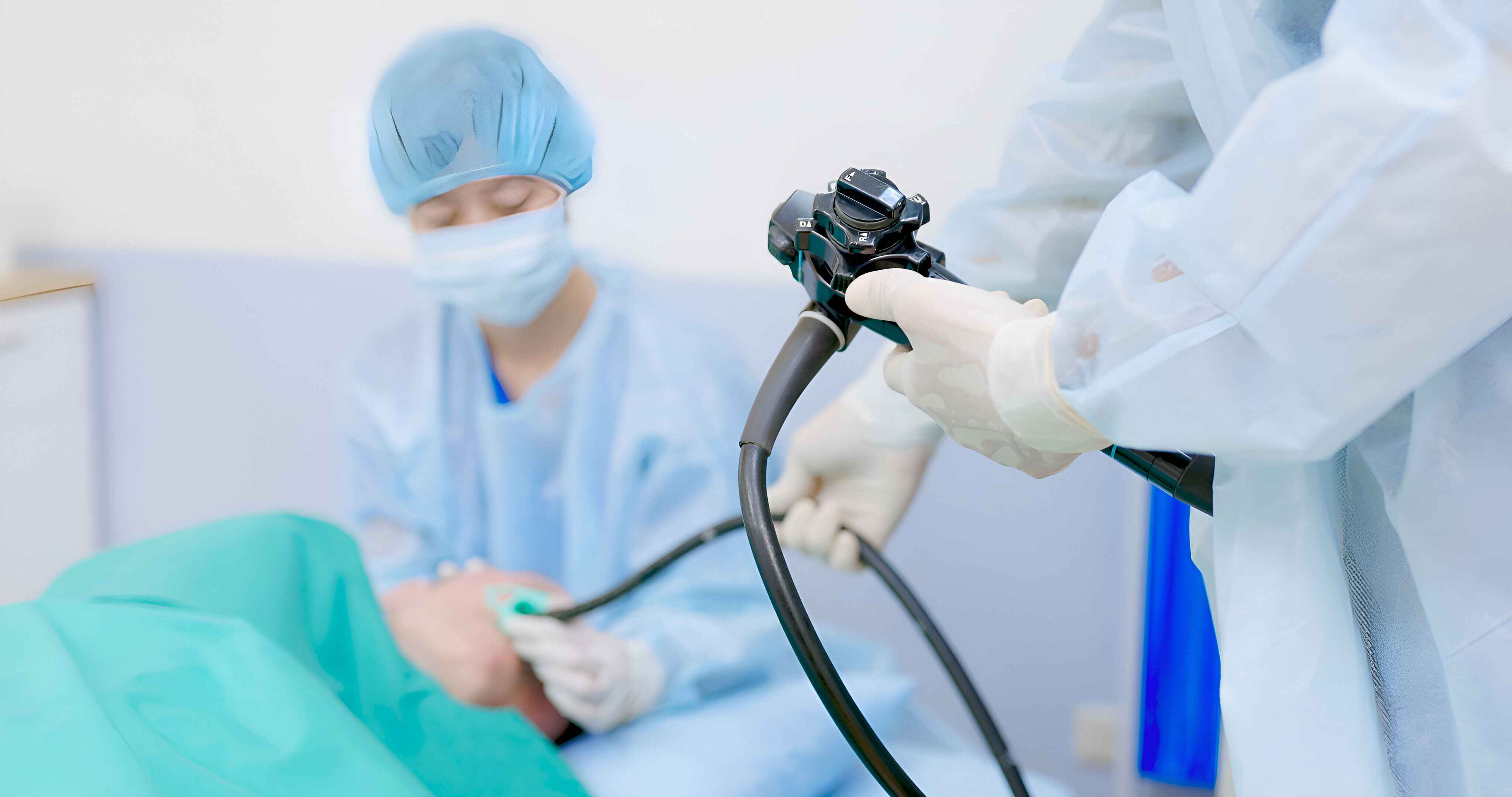
An upper gastrointestinal (GI) endoscopy, also known as esophagogastroduodenoscopy (EGD), is a diagnostic procedure that uses a thin, flexible tube equipped with a light and camera called an endoscope to examine the inside of your:
-
Esophagus (food pipe)
-
Stomach
-
Duodenum (the first part of the small intestine)
The procedure provides your doctor with high-resolution images of the lining of your upper digestive tract, making it a powerful tool for identifying abnormalities early and accurately.
Why Might You Need an Upper GI Endoscopy?
An upper GI endoscopy may be recommended if you are experiencing:
-
Persistent heartburn or acid reflux
-
Difficulty swallowing (dysphagia)
-
Unexplained upper abdominal pain or bloating
-
Nausea or vomiting that doesn't improve
-
Unexplained anemia or suspected bleeding
-
Screening for conditions such as Barrett’s esophagus
-
Evaluation for celiac disease, gastritis, or ulcers
-
Follow-up after abnormal imaging or lab tests
The procedure can also be used to take biopsies, remove polyps, treat bleeding, or dilate strictures (narrowed areas).
How Is the Procedure Performed?
Upper GI endoscopy is typically performed as an outpatient procedure, meaning you can return home the same day. Here's what to expect:
Before the Procedure:
-
You’ll need to fast for 6–8 hours prior to your appointment.
-
Let your doctor know about any medications or allergies.
-
A sedative will be administered to ensure you’re relaxed and comfortable.
During the Procedure:
-
You will lie on your left side in a comfortable position.
-
A local anesthetic spray may be applied to your throat to prevent gagging.
-
The endoscope is gently inserted through the mouth and guided down to the stomach and duodenum.
-
The camera transmits images to a screen, allowing your doctor to assess the area in real time.
-
The entire process usually takes 10–15 minutes.
After the Procedure:
-
You’ll be monitored in a recovery area until the sedative wears off.
-
You may feel slightly groggy, or have a mild sore throat or bloating all of which resolve quickly.
-
A responsible adult should accompany you home, as driving is not allowed post-sedation.
Is the Procedure Painful?
No, upper GI endoscopy is generally not painful. Thanks to IV sedation and local anesthesia, most patients feel no discomfort during the procedure. In fact, many report sleeping through it entirely and remembering very little.
After the procedure, some people may experience:
-
A mild sore throat
-
A sense of fullness or bloating due to the air used during the examination
These effects are temporary and usually disappear within a few hours.
Are There Any Risks?
Upper GI endoscopy is considered a very safe and low-risk procedure, especially when performed by experienced specialists. However, as with any medical procedure, there are rare risks, including:
-
Bleeding (especially if tissue is removed)
-
Perforation (a small tear in the lining - extremely rare)
-
Reactions to sedation
-
Infection (rare)
Your physician will explain all potential risks and take all necessary precautions to ensure your safety.
When Should You Consider Seeing a Doctor for an Endoscopy?
Consult a gastroenterologist if you have any of the following:
-
Frequent or worsening acid reflux
-
Ongoing upper abdominal pain
-
Trouble or pain when swallowing
-
Unexplained nausea or vomiting
-
Signs of bleeding such as black stools or vomiting blood
-
Unexplained weight loss or loss of appetite
-
Long-standing anemia with no clear cause
-
Family history of esophageal or stomach cancer
Timely evaluation can help detect issues early when they’re easiest to treat and potentially prevent more serious conditions.
Conclusion: Peace of Mind Through Clear Answers
An upper GI endoscopy is a valuable procedure that offers both answers and reassurance. It allows your doctor to see inside your digestive tract with clarity, take biopsies when needed, and provide early treatment when necessary, all with minimal discomfort and downtime.
If you’ve been advised to have an endoscopy or have persistent symptoms affecting your digestion, don’t wait. Trust the process, and take the next step toward better digestive health.