April 17, 2025
4 minutes read time
“Fatty Liver: The Silent Condition You Shouldn’t Ignore”
Understanding the Risks, the Importance of Treatment, and How You Can Protect Your Liver Health
Fatty Liver Disease Is More Common Than You Think
Did you know that fatty liver disease now affects 1 in 3 adults—often without causing any symptoms?
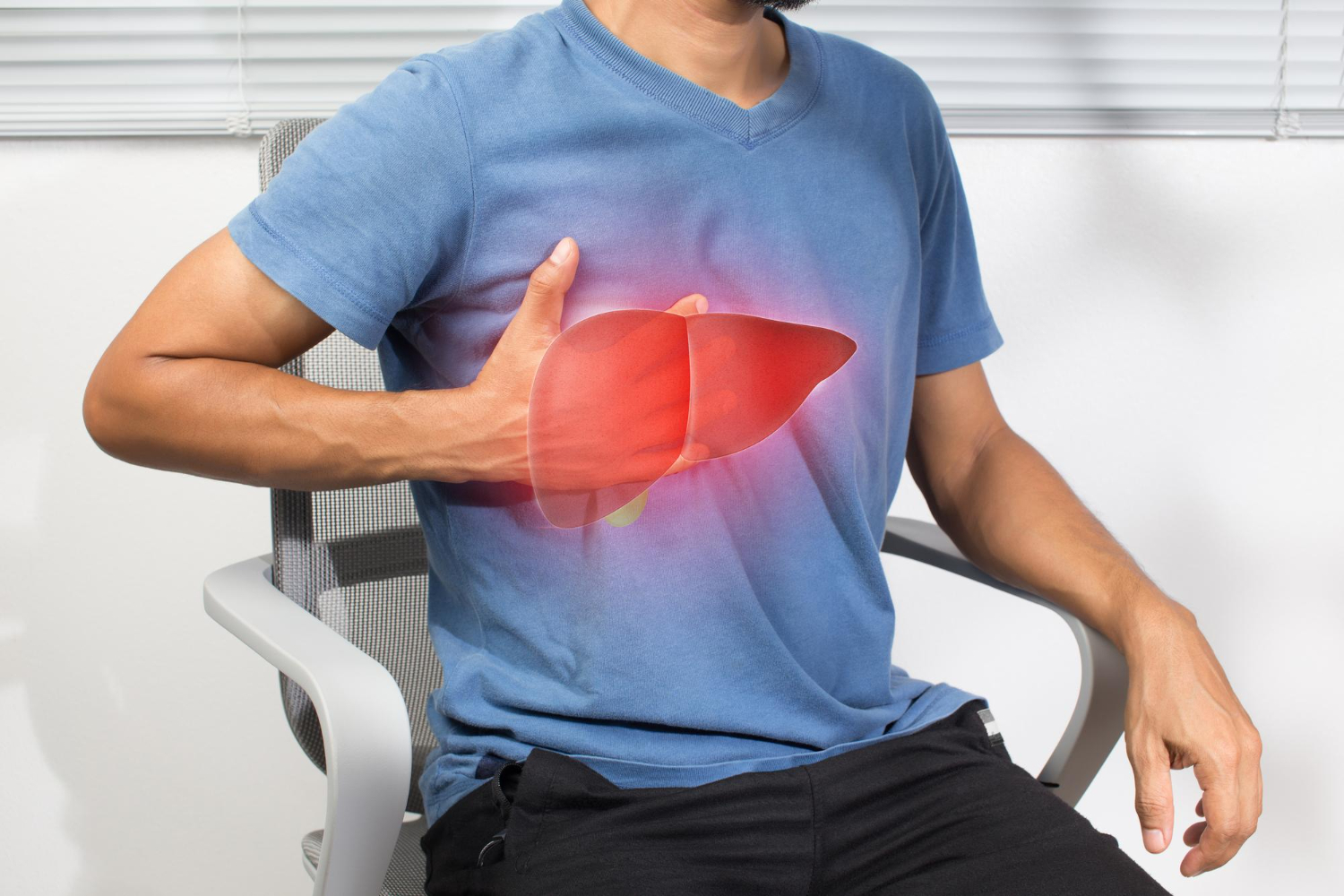
Fatty liver, or hepatic steatosis, happens when excess fat builds up in the liver. While it may sound harmless, this silent condition can quietly lead to inflammation, scarring, and even liver failure if left untreated.
As a gastroenterologist, I see many patients who are shocked to learn they have fatty liver. Often, they had no idea because they “felt fine.” That’s exactly why it’s so important to raise awareness and take action early.
What Causes Fatty Liver?
Fatty liver disease is commonly linked to:
-
Overweight and obesity
-
Type 2 diabetes
-
High cholesterol or triglycerides
-
Poor diet (high in sugar, processed foods, or alcohol)
-
Lack of physical activity
-
Excessive alcohol use
Fatty liver is now the leading cause of chronic liver disease and/or liver cirrhosis worldwide and it’s often found during routine blood work or imaging for other issues.
Why Is Fatty Liver a Problem?
Fat in the liver is not just sitting there. Over time, it can lead to:
-
Inflammation of the liver (steatohepatitis)
-
Scarring of liver tissue (fibrosis)
-
Advanced liver damage (cirrhosis)
-
Increased risk of liver cancer
Fatty liver is also linked to heart disease, which remains the leading cause of death in patients.
And because the disease often progresses silently, you may not notice symptoms until the liver is already damaged.
What Are the Symptoms?
In early stages, most people have no symptoms. As the disease progresses, some may experience:
-
Fatigue
-
Discomfort in the upper right abdomen
-
Unexplained weight loss
-
Weakness or poor concentration
Routine blood tests and liver imaging are usually how fatty liver is first detected.
Can Fatty Liver Be Treated?
Yes, and the good news is, it’s often reversible. The earlier you act, the better the outcome.
Treatment typically includes:
-
Weight loss (even 5–10% can improve liver health)
-
Healthy diet (Mediterranean-style is ideal)
-
Regular exercise
-
Managing blood sugar and cholesterol
-
Avoiding alcohol
-
Medical support and monitoring by your doctor
In some cases, medications may be used if inflammation or scarring is present.
Final Thoughts from Your Gastroenterologist
Fatty liver disease is common, serious, and often silent but it is treatable and even reversible with lifestyle changes and medical care.
Don’t wait for symptoms to appear. If you’ve been told you have fatty liver, or if you have risk factors like obesity or diabetes, talk to your doctor. Early treatment can make all the difference.
Take control of your liver health today. A healthy liver means a healthier, longer life.