April 18, 2025
4 minutes read time
“Let’s Talk About Hemorrhoids: Common, Treatable, and Nothing to Be Ashamed Of”
A Gastroenterologist’s Guide to Understanding, Managing, and Preventing Hemorrhoids
You’re Not Alone—Hemorrhoids Are Extremely Common
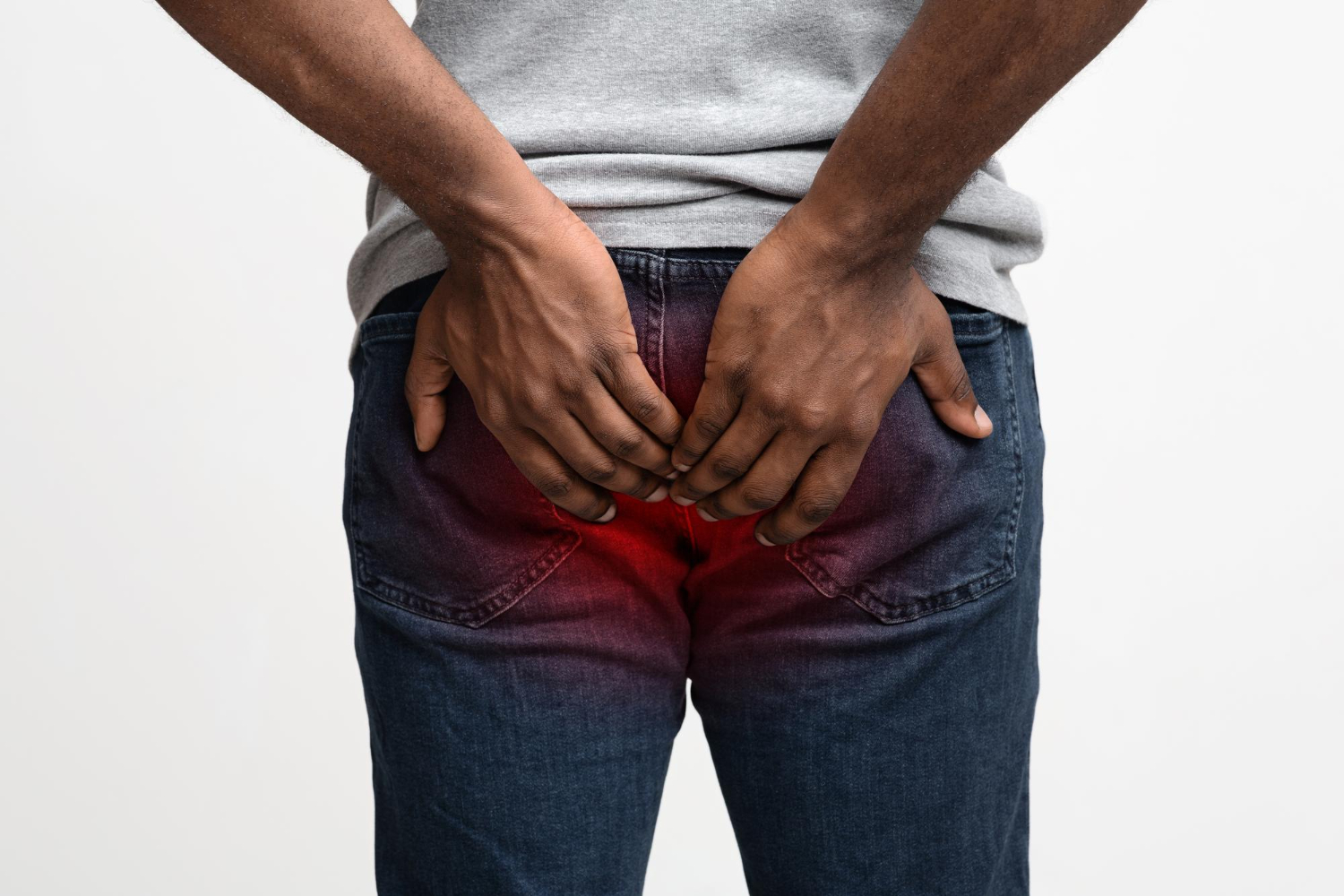
Hemorrhoids affect millions of people worldwide yet many suffer in silence, too embarrassed to bring it up. But here’s the truth: hemorrhoids are a medical condition, not a personal failure, and they’re both treatable and manageable.
As a gastroenterologist, I assure you this is one of the most common concerns I hear about in the clinic. And the good news? You don’t have to live with the discomfort. There are effective solutions, and early treatment can make a big difference.
What Are Hemorrhoids?
Hemorrhoids are swollen veins in the lower part of the rectum or anus. They’re similar to varicose veins and can occur inside the rectum (internal hemorrhoids) or under the skin around the anus (external hemorrhoids).
What Causes Them?
Several common factors contribute to hemorrhoids:
-
Chronic constipation or straining during bowel movements
-
Sitting for long periods, especially on the toilet
-
Low-fiber diets
-
Pregnancy
-
Obesity
-
Aging and genetics
In other words, everyday habits and life stages can play a big role.
What Do Hemorrhoids Feel Like?
Symptoms can range from mildly uncomfortable to very painful, including:
-
Bleeding during bowel movements (bright red blood)
-
Itching, irritation, or discomfort around the anus
-
Swelling or a lump near the anus
-
Pain or difficulty sitting
If you notice persistent bleeding, significant pain, or changes in bowel habits, don’t delay these symptoms should always be checked by a doctor to rule out other causes.
How Are Hemorrhoids Treated?
Fortunately, most hemorrhoids can be treated without surgery. Treatment may include:
1. Lifestyle changes:
-
Add more fiber to your diet (fruits, vegetables, whole grains)
-
Drink plenty of water
-
Avoid straining or sitting too long on the toilet
-
Stay physically active
2. At-home relief:
-
Warm sitz baths
-
Over-the-counter creams or ointments
-
Cold compresses to reduce swelling
3. Medical procedures (if needed):
-
Rubber band ligation (to cut off blood supply to the hemorrhoid).
-
Sclerotherapy (injecting a solution to shrink it).
-
Minimally invasive surgery for severe or persistent cases.
Why You Shouldn’t Ignore Hemorrhoids
While hemorrhoids themselves are usually not dangerous, untreated symptoms can worsen over time, causing chronic pain, bleeding, or even anemia. And in some cases, what looks like hemorrhoids may be a sign of something more serious like colorectal cancer so it’s important to get a proper diagnosis.
Final Thoughts from Your Gastroenterologist
Hemorrhoids are nothing to be embarrassed about. They are incredibly common, treatable, and often preventable with simple lifestyle changes. If you’re struggling with symptoms, don’t wait to seek help. There’s relief and a solution waiting for you.
Don’t suffer in silence. Talk to your doctor about hemorrhoids today and take the first step toward relief and better digestive health.