August 15, 2025
5 minutes read time
Intestinal Worms: A Hidden Cause of Digestive Problems
Recognizing the Symptoms, Understanding the Risks, and Knowing When to Seek Treatment
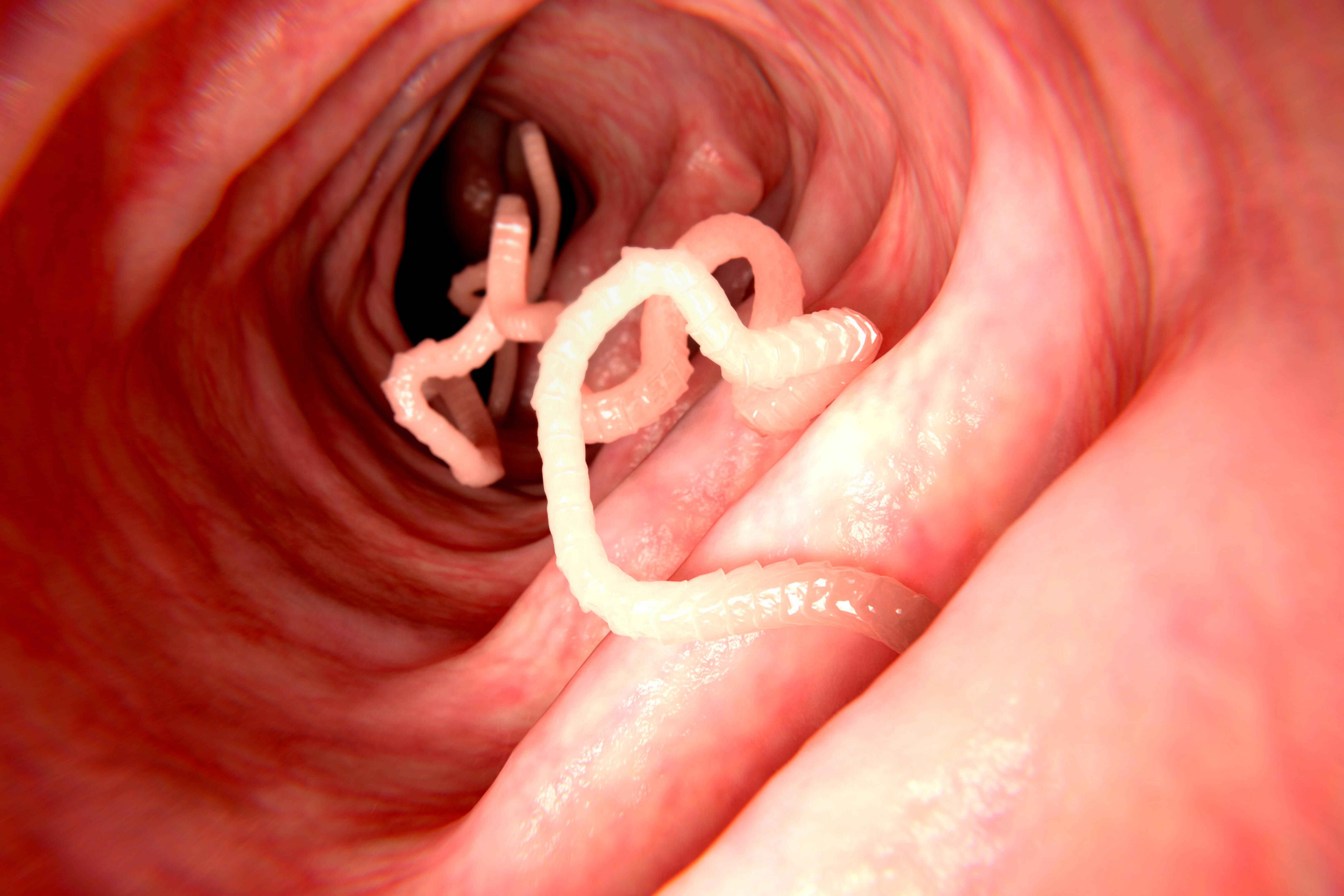
Intestinal worms, also called parasitic worms or helminths, are organisms that live and multiply inside the human intestines. While the idea may sound alarming, they are a common problem in many parts of the world, especially in areas with poor sanitation or contaminated food and water. Some people may carry worms without symptoms, while others develop uncomfortable digestive issues or nutritional deficiencies.
The good news is that intestinal worm infections are treatable and preventable with the right medical care and lifestyle measures.
Types of Intestinal Worms
The most common types that affect humans include:
-
Roundworms – long, thread-like worms that can cause abdominal pain and malnutrition.
-
Hookworms – attach to the intestinal wall and feed on blood, leading to anemia.
-
Whipworms – cause diarrhea, abdominal pain, and weight loss in severe cases.
-
Tapeworms – flat, ribbon-like worms acquired from undercooked meat or contaminated food.
-
Pinworms – common in children, causing intense itching around the anus, especially at night.
What Are the Symptoms?
The symptoms vary depending on the type of worm and the severity of infection. They may include:
-
Abdominal pain or cramping
-
Bloating or frequent gas
-
Diarrhea or constipation
-
Nausea or vomiting
-
Unexplained weight loss
-
Persistent tiredness or anemia
-
Itching around the anus (especially at night in pinworm infection)
-
Visible worms or worm segments in the stool
How Do People Get Infected?
Infections usually happen through:
-
Eating contaminated food or water
-
Poor hand hygiene, especially before eating
-
Walking barefoot on contaminated soil (hookworm)
-
Eating undercooked meat or fish (tapeworms)
-
Close contact with infected individuals (pinworms)
Diagnosis of Intestinal Worms
If worms are suspected, your doctor may request:
-
Stool examination to look for worm eggs or larvae
-
Blood tests to check for anemia or immune response
-
Imaging tests (rarely) if worms migrate to other organs
Treatment Options
Treatment depends on the type of worm but generally includes:
-
Prescription anti-parasitic medications
-
Iron or nutritional supplements if anemia or deficiencies are present
-
In rare severe cases, surgical removal may be necessary
Treatment is usually simple, and most patients recover quickly once the worms are cleared.
Prevention: Protecting Yourself and Your Family
Preventing worm infections is possible with good hygiene and food safety:
-
Wash hands thoroughly before eating and after using the toilet.
-
Drink clean, safe water.
-
Wash fruits and vegetables well before eating.
-
Cook meat and fish thoroughly.
-
Keep nails trimmed and clean, especially for children.
-
Treat all family members simultaneously if pinworm infection is diagnosed, to avoid reinfection.
When Should You See a Doctor?
You should seek medical advice if you experience:
-
Persistent abdominal pain, diarrhea, or unexplained weight loss
-
Itching around the anus that doesn’t improve with hygiene measures
-
Visible worms in the stool
-
Signs of anemia such as fatigue, dizziness, or pale skin
Conclusion
Intestinal worms are more common than many people realize, but they should not be ignored. With proper diagnosis, treatment, and preventive measures, infections can be cleared easily, and complications can be avoided.