April 24, 2025
5 minutes read time
Understanding Liver Lesions: What You Need to Know
Not All Liver Spots Are Dangerous. Here’s How to Approach Them Calmly and Informed
Finding out you have a lesion on your liver can be worrying, but it’s important to know that most liver lesions are benign (non-cancerous) and often discovered incidentally during imaging tests for unrelated issues. Whether you’ve been recently diagnosed or you're seeking clarity, understanding the basics of liver lesions can help ease anxiety and guide you toward the right next steps.
What Is a Liver Lesion?
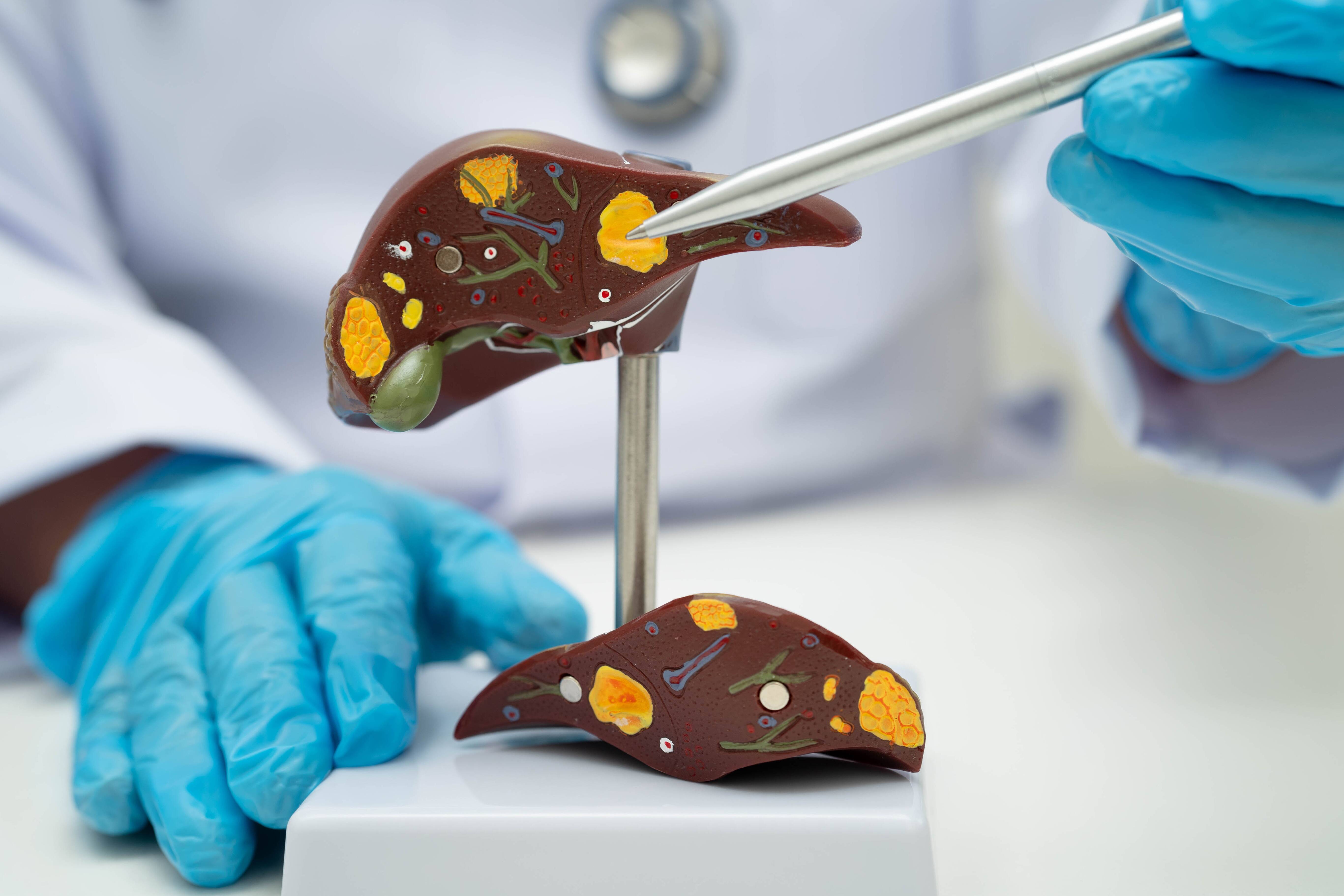
A liver lesion is simply an abnormal area seen in the liver on imaging studies like ultrasound, CT scan, or MRI. It doesn’t necessarily mean cancer. Lesions can range from harmless cysts to more complex growths that may need further evaluation.
Common Types of Liver Lesions:
-
Benign Lesions (Non-cancerous):
-
Hemangiomas: The most common type, made up of blood vessels. Usually require no treatment.
-
Hepatic Cysts: Fluid-filled sacs often found incidentally and typically harmless.
-
Focal Nodular Hyperplasia (FNH): A mass of normal liver cells with no cancer risk.
-
Hepatic Adenomas: Can be hormone-related and sometimes require monitoring or removal, especially in women on birth control pills.
-
-
Malignant Lesions (Cancerous):
-
Hepatocellular Carcinoma (HCC): The most common primary liver cancer, often associated with chronic liver disease or hepatitis.
-
Metastatic Liver Lesions: Spread from cancers originating in other organs such as the colon, breast, or lungs.
-
Symptoms: Often None
Many liver lesions cause no symptoms at all and are discovered by chance. However, when symptoms do occur, they may include:
-
Right upper abdominal discomfort
-
Fullness or bloating
-
Fatigue or weight loss (in more serious cases)
How Are Liver Lesions Diagnosed?
Diagnosis often begins with imaging, but depending on the type and appearance of the lesion, your doctor may recommend:
-
MRI with contrast or CT scan
-
Blood tests to check liver function and tumor markers
-
Biopsy, in some cases, to confirm diagnosis
Should You Be Concerned?
The vast majority of liver lesions are not life-threatening. The key is accurate diagnosis and appropriate follow-up. Some lesions simply need observation over time, while others may require surgical intervention or further oncological evaluation.
When to See a Specialist
If you've been told you have a liver lesion, it's wise to consult with a gastroenterologist or hepatologist. These specialists can interpret imaging results, assess risk factors, and determine the best course of action.
Final Thoughts:
Hearing about a liver lesion can be unsettling, but knowledge is power. Most lesions are benign, and even those that aren't can be effectively managed if caught early. Don't hesitate to ask questions and seek expert advice. Your liver health is too important to leave to chance.