May 01, 2025
5 minutes read time
Pancreatic Lesions: What They Mean and Why Early Evaluation Matters
Not All Pancreatic Lesions Are Cancer—Here’s How to Approach Them with Clarity and Confidence
Hearing the words “pancreatic lesion” on an imaging report can be alarming. The pancreas is a vital organ, and concerns about pancreatic cancer are understandable. However, not all pancreatic lesions are malignant or even dangerous. In fact, many are benign or low-risk and can be safely monitored.
Understanding what pancreatic lesions are, the types that exist, and how they’re evaluated is key to making informed decisions about your health.
What Is a Pancreatic Lesion?
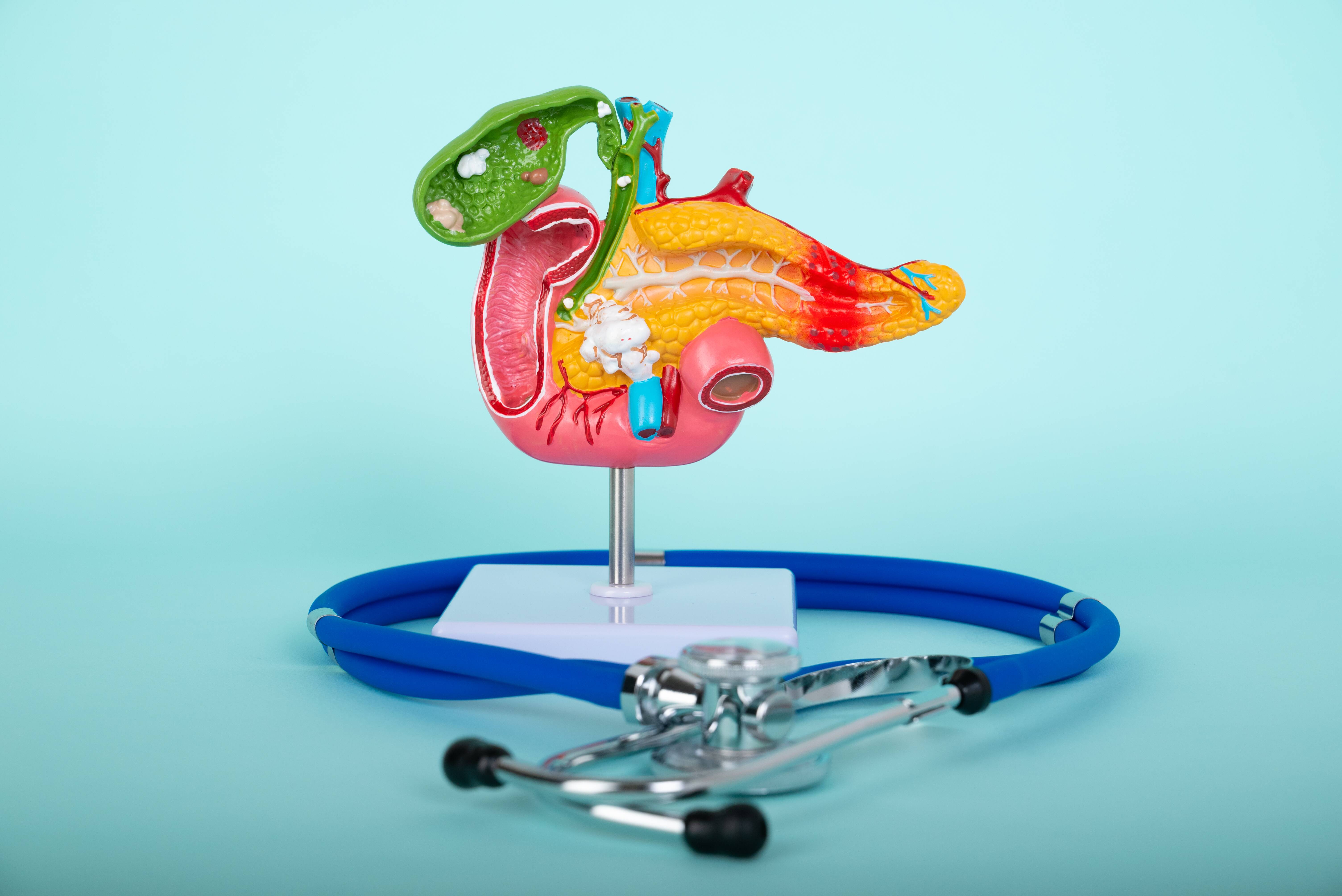
A pancreatic lesion refers to an abnormal area or growth in the pancreas, often discovered incidentally during imaging studies (such as a CT scan, MRI, or ultrasound) done for unrelated reasons.
These lesions can be solid or cystic (fluid-filled) and may be:
-
Benign (non-cancerous)
-
Pre-malignant (may develop into cancer over time)
-
Malignant (cancerous)
Types of Pancreatic Lesions
-
Cystic Lesions – These are among the most commonly found:
-
Pancreatic pseudocysts: Often follow episodes of pancreatitis; typically benign.
-
Serous cystadenomas: Benign cysts, usually in older adults; rarely require treatment.
-
Mucinous cystic neoplasms (MCN): Occur mostly in women; can carry a risk of malignancy.
-
Intraductal papillary mucinous neoplasms (IPMN): Can involve the main pancreatic duct or side branches; some types have a higher cancer risk.
-
-
Solid Lesions – Require more careful evaluation:
-
Neuroendocrine tumors (NETs): Can be functional (hormone-producing) or non-functional; often slow-growing.
-
Pancreatic ductal adenocarcinoma: The most common and serious form of pancreatic cancer; early detection is critical.
-
Solid pseudopapillary neoplasms: Rare, often seen in younger women; usually low-grade malignancy.
-
Symptoms: Often Silent
Many pancreatic lesions are asymptomatic and discovered incidentally. When symptoms do occur, they may include:
-
Vague abdominal or back pain
-
Unexplained weight loss
-
Jaundice (yellowing of the skin or eyes)
-
New-onset diabetes
-
Nausea or digestive issues
These symptoms warrant prompt evaluation.
How Are Pancreatic Lesions Evaluated?
Proper diagnosis is essential to distinguish between benign and potentially dangerous lesions. Your doctor may recommend:
-
MRI or CT scans with contrast to assess the lesion's size, location, and characteristics
-
Endoscopic ultrasound (EUS) for detailed imaging and possible fine-needle aspiration (FNA)
-
Tumor marker blood tests
-
Follow-up imaging to monitor for changes over time
Treatment and Management
Management depends on the type, size, and risk features of the lesion:
-
Benign or low-risk lesions may only require regular monitoring (surveillance imaging).
-
High-risk or malignant lesions may need surgical removal or oncological treatment.
-
Multidisciplinary care involving gastroenterologists, surgeons, and radiologists ensures the best outcomes.
Early Detection Saves Lives
Pancreatic lesions are not all the same. While some require no intervention, others may signal early-stage pancreatic cancer, when treatment is most effective. The key is timely evaluation and risk assessment by a specialist.
Final Thoughts:
Being told you have a pancreatic lesion can feel overwhelming, but with the right information and expert care, you can face it with confidence. Most lesions are not dangerous, and those that are can often be treated effectively especially when caught early.
If you’ve been diagnosed with a pancreatic lesion, don’t wait. Consult with a gastroenterologist to determine the best next step. Peace of mind begins with clarity and clarity starts with the right care.