October 15, 2025
5 minutes read time
The Thyroid-Gut Connection: How Your Digestive Health and Thyroid Work Together
Understanding How Thyroid Imbalances Affect Digestion and Why a Healthy Gut Supports Thyroid Function
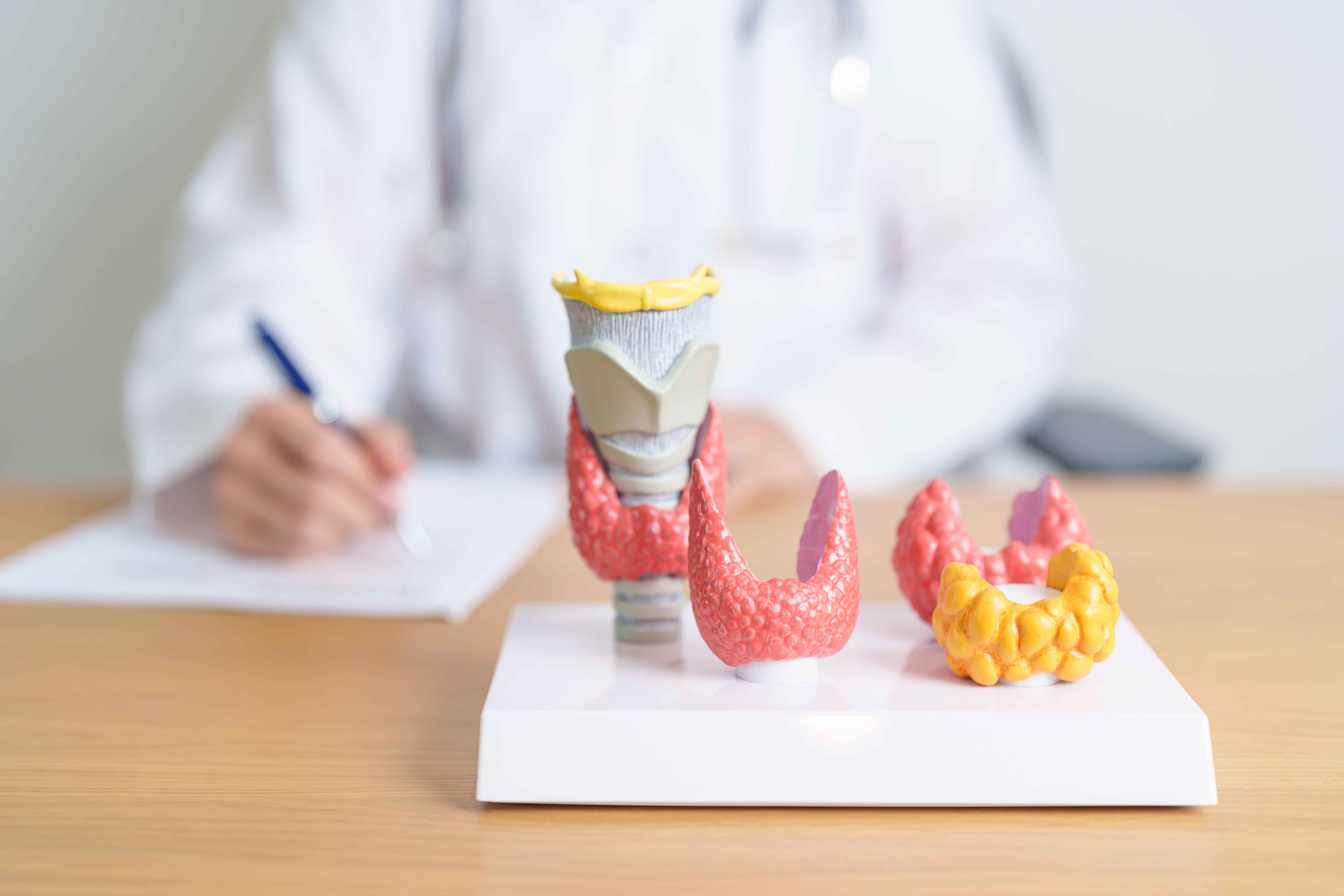
The thyroid and the gut may seem like two separate systems, but they are deeply connected. Your thyroid gland, located in the neck, produces hormones that control your metabolism (how your body uses energy). Meanwhile, your gut (digestive system) absorbs nutrients and maintains balance in your immune and hormonal systems. When one of these systems is not functioning properly, it can directly affect the other.
How the Thyroid Affects the Gut
Thyroid hormones play an essential role in regulating the speed of digestion. When thyroid levels are unbalanced, the digestive system often reacts:
-
In Hypothyroidism (Underactive Thyroid):
Low thyroid hormone levels slow down many body processes, including intestinal movement. This often leads to constipation, bloating, and a feeling of fullness after small meals. Some patients also experience slower metabolism and weight gain. -
In Hyperthyroidism (Overactive Thyroid):
Excess thyroid hormone speeds up digestion, causing frequent bowel movements, diarrhea, and abdominal discomfort. It may also lead to nutrient malabsorption and unintentional weight loss.
These digestive changes are not random, they are signs that your thyroid and gut are communicating more closely than most people realize.
The Gut’s Role in Thyroid Health
The gut doesn’t just respond to thyroid hormones, it also influences how well your thyroid functions:
-
Nutrient Absorption: The small intestine absorbs key nutrients like iodine, selenium, and zinc, which are necessary for thyroid hormone production. Poor gut health can lead to deficiencies that affect thyroid balance.
-
Gut Microbiome: A healthy gut contains billions of “good” bacteria that help regulate inflammation and immunity. Imbalances in these bacteria (called dysbiosis) may trigger autoimmune thyroid diseases such as Hashimoto’s thyroiditis or Graves’ disease.
-
Conversion of Hormones: The inactive thyroid hormone (T4) is converted into its active form (T3) partly in the gut and liver. If your gut isn’t healthy, this conversion may be impaired, leading to low thyroid activity even with normal lab results.
Common Digestive Symptoms Linked to Thyroid Issues
If you have a thyroid disorder, you may experience:
-
Constipation or diarrhea
-
Bloating or excessive gas
-
Unexplained weight changes
-
Abdominal discomfort or sluggish digestion
-
Nutrient deficiencies (such as iron, vitamin B12, or vitamin D)
These symptoms may improve once both thyroid and gut health are addressed together.
How to Support Both Thyroid and Gut Health
To maintain balance between these two vital systems:
-
Eat a balanced, fiber-rich diet with plenty of vegetables, whole grains, and lean proteins.
-
Include probiotics (yogurt, kefir, or supplements) and prebiotics (foods like garlic, onions, and bananas) to support healthy gut bacteria.
-
Stay hydrated to aid digestion and metabolism.
-
Avoid excessive alcohol, processed foods, and refined sugars, which can irritate the gut.
-
Manage stress, which can affect both thyroid function and gut motility.
-
Have regular thyroid and digestive checkups, especially if you experience persistent symptoms.
Conclusion
Your thyroid and gut are part of a delicate system that works together to keep your body balanced. An unhealthy gut can affect how your thyroid functions and thyroid imbalances can, in turn, disrupt digestion. Recognizing this connection allows for a more complete approach to your health.
If you experience ongoing digestive symptoms along with thyroid problems, speak to your doctor. A holistic evaluation of both systems can lead to better treatment and long-term wellness.