May 09, 2026
7 minutes read time
Intestinal Rehabilitation: What It Is and How It Helps Patients with Bowel Disorders
A practical guide to understanding intestinal rehabilitation, who needs it, how nutrition support works, and what the journey looks like for patients managing complex bowel conditions.
Introduction to intestinal rehabilitation
In my practice here in Dubai, I often meet people who are navigating complex digestive conditions that affect how their bodies absorb nutrients. Intestinal rehabilitation is a coordinated, patient-centered program designed to support the gut’s natural adaptation after major loss or damage. It brings together medical care, nutrition, and practical daily strategies to reduce dependence on intravenous nutrition when possible and to improve overall well-being. The goal is not merely to treat symptoms but to help you regain energy, stability after meals, and a sense of control over your daily life.
Intestinal rehabilitation is not a single procedure; it is a long-term, team-based path. It uses medical therapies, dietary adjustments, and, when needed, surgical options to optimize how your remaining intestine works. In Dubai, this approach aims to fit around your life, your work, your family, and your preferences while keeping you at the center of every decision.
What intestinal rehabilitation is and how it works
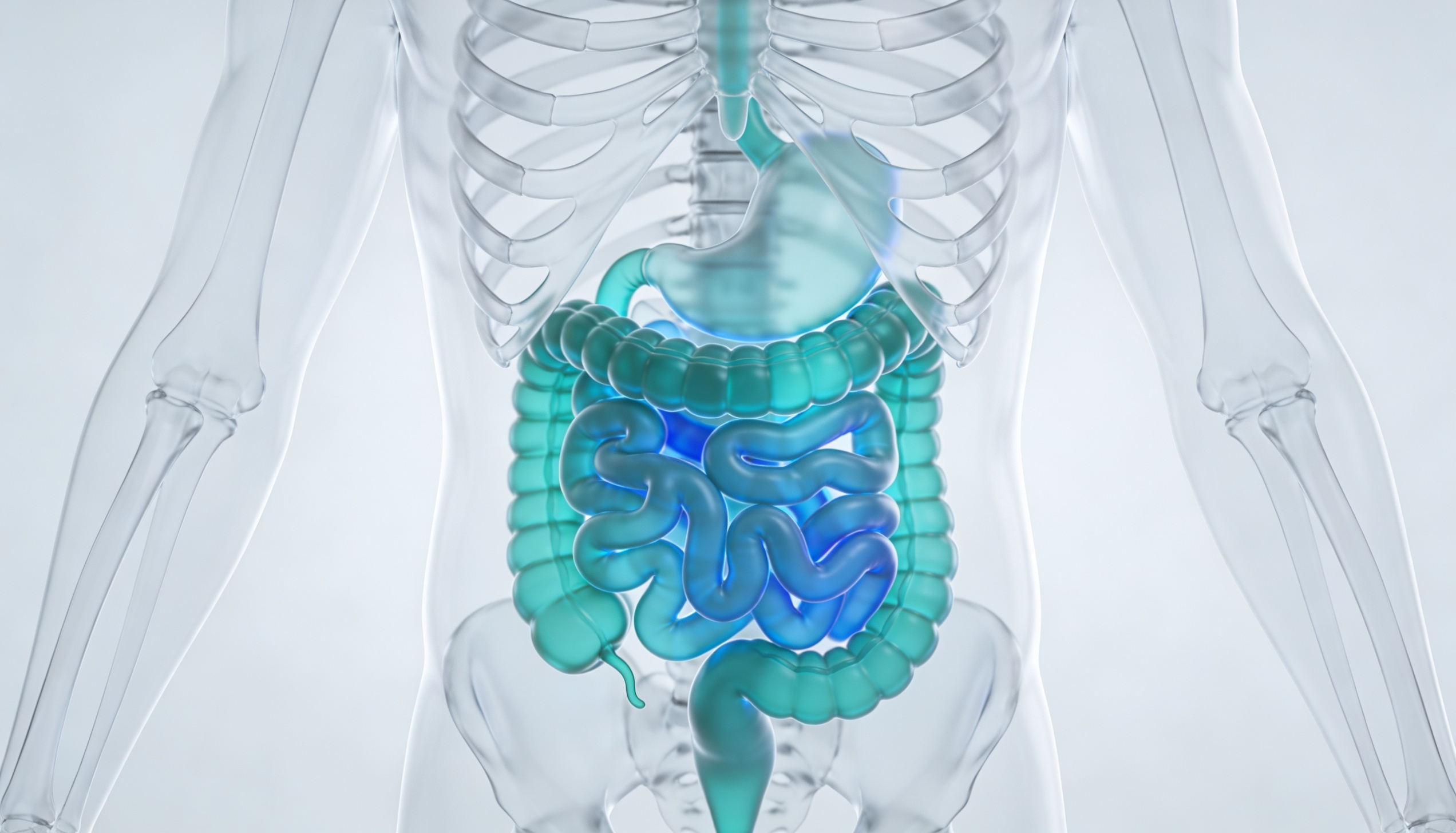
Intestinal rehabilitation is a structured program that helps people with intestinal failure or significant intestinal shortening adapt to their new digestive reality. It combines three core elements: optimizing nutrition, promoting the gut’s adaptation and healing, and coordinating care across several specialists. In practical terms, rehabilitation includes carefully planned nutrition, monitoring through tests and endoscopy when needed, and ongoing symptom management.
Beyond meals and supplements, rehabilitation focuses on how your lifestyle supports gut function. It involves setting realistic goals, such as reducing dependence on central venous nutrition, improving hydration and electrolyte balance, and maintaining energy for daily activities. In Dubai, the program is typically guided by a gastroenterologist, supported by a dietitian, a surgeon if surgical options are considered, and a nurse specialist who helps you navigate appointments and daily routines.
As a clinician here, I emphasize that rehabilitation is collaborative. You and your family are part of the plan from the start. We listen to your goals, identify potential barriers, and tailor nutrition, activity, and follow-up schedules to your pace and preferences. This patient-centered approach is essential for lasting improvements in function and quality of life.
Who needs intestinal rehabilitation?
Intestinal rehabilitation is most commonly considered for people with significant intestinal shortening or dysfunction. The two primary groups I work with are those with short bowel syndrome and those with bowel failure who depend on nutrition support to receive essential calories and nutrients. Short bowel syndrome occurs when a portion of the small intestine has been removed or is not functioning well, leading to reduced absorption. Bowel failure describes a more advanced state where nutrition support, often parenteral nutrition, becomes necessary to meet daily energy needs.
Additional situations may include severe motility disorders, intestinal fistulas, or congenital conditions where the intestine does not absorb nutrients efficiently. The decision to begin rehabilitation is individualized. We weigh factors such as how much intestine remains, the presence of complications, nutritional status, and how you are balancing daily life with symptoms and hospital visits.
Starting rehabilitation is not about a single moment; it is about initiating a steady, planned transition toward better nutrition, fewer symptoms, and more predictable daily functioning. In Dubai, we work with you to determine whether rehabilitation can help you reduce PN dependence or improve your growth, energy, and mood over time.
Common conditions treated with intestinal rehabilitation
Short bowel syndrome and bowel failure are the most frequent reasons people begin rehabilitation. Short bowel syndrome may arise after a surgical resection due to cancer, congenital anomalies, Crohn’s disease, or mesenteric ischemia. After surgery, the remaining bowel often adapts by thickening its absorptive surface and slowing transit to compensate for lost length. Rehabilitation supports natural adaptation with targeted nutrition and monitoring.
Bowel failure is a more advanced situation where nutrition support becomes a central, ongoing component of care. The goal is to maximize the patient’s quality of life while ensuring adequate calories, fluids, and micronutrients. In many cases, rehabilitation helps people taper PN as the remaining bowel adapts, improves tolerance to feeding, and reduces hospital stays.
Other conditions that may benefit from rehabilitation include motility disorders, extensive bowel resections, and certain congenital intestinal problems. The overarching aim is to stabilize nutrition, maintain growth and energy, and prevent complications that arise from prolonged malnutrition or poor hydration.
The multidisciplinary team
A core strength of intestinal rehabilitation is the team approach. In Dubai, a typical MDT includes a gastroenterologist who leads medical care, a surgeon who evaluates options for restoring or preserving bowel function, a dietitian who designs personalized nutrition plans, and a nurse specialist who coordinates care and supports home-based management. Each member brings unique expertise to create a cohesive plan that stays aligned with your goals.
How the team works together matters. Regular case discussions help ensure the plan covers nutrition, symptom control, and any needed procedures. The dietitian translates meals and supplements into practical daily choices, while the nurse specialist helps you navigate schedules, infusion care if needed, and monitoring for side effects. When surgical decisions are needed, the surgeon provides insight into options that could improve absorption or function. This collaboration is especially important in Dubai’s diverse healthcare landscape, where language access and culturally sensitive care are prioritized to support your comfort and understanding.
While I speak about the team here, the experience is about you. The team works with you to set realistic timelines, choose the right tests, and adjust plans as your body adapts. The result is a care pathway that feels personalized rather than generic, with clear checkpoints and ongoing communication.
Nutrition support: enteral and parenteral nutrition
Nutrition is the cornerstone of rehabilitation. There are two primary channels: enteral nutrition (through the gut) and parenteral nutrition (PN; delivered intravenously). Enteral nutrition includes oral diets enhanced with fortified formulas or tube feeding if needed. The aim is to stimulate the gut, promote absorption, and sustain energy with foods you enjoy and can tolerate. Parenteral nutrition provides essential calories and nutrients when the gut cannot absorb enough on its own, ensuring you stay healthy while the bowel adapts.
Transitioning from PN to enteral feeding is a gradual process. We monitor weight, hydration, electrolyte balance, and stool patterns to decide when and how to adjust PN. In Dubai, this process is conducted with careful oversight to minimize risks such as infection at catheter sites or imbalances in minerals. The pace is tailored to your body’s response, comfort with feedings, and daily life demands.
Beyond macronutrients, rehabilitation emphasizes micronutrients, fluid management, and vitamin levels. Supplement choices are personalized, and we regularly reassess requirements as absorption improves or changes. Your daily routine—work, school, family meals, guides how we structure nutrition plans so they are sustainable in the long term.
Practical tips include planning meals with balanced protein, carbohydrates, and fats, keeping a simple symptom diary, and maintaining consistent hydration. Your dietitian can help you identify foods that support digestion and avoid those that trigger discomfort. This collaborative approach helps you experience steady energy and fewer episodes of fatigue or bloating.
The role of endoscopy in monitoring rehabilitation
Endoscopy is a key tool for monitoring the intestine’s health during rehabilitation. It allows doctors to look directly at the lining of the gut, assess healing after surgery, identify ulcers or inflammatory changes, and evaluate any structural issues such as strictures or fistulas. Endoscopy can also be used for therapeutic purposes in some cases, such as addressing particular obstructions or managing specific complications.
Regular endoscopic assessments are tailored to your situation. In some cases, a flexible scope may be used to place or adjust feeding access, inspect stomas, or guide biopsies to evaluate inflammation. The goal is to detect problems early and adjust the rehabilitation plan accordingly, reducing the risk of unexpected hospital visits and helping you maintain your daily rhythm.
In Dubai, we emphasize safety, clear explanations, and patient involvement in endoscopy decisions. If an endoscopic procedure is needed, we discuss what to expect, any sedation considerations, recovery time, and how results will influence your nutrition and activity plan. This transparency helps you feel informed and prepared.
Lifestyle and dietary guidance during rehabilitation
Rehabilitation is not only about what you eat; it’s about how you live with your gut every day. Simple, sustainable habits often make the biggest difference. Regular meals, mindful eating, and portion sizes that match your energy needs can support both the gut and overall well-being. Practical strategies include eating small, frequent meals, choosing nutrient-dense foods, and preparing meals that are easy to digest while still enjoyable.
Hydration is essential, especially when the intestinal surface area is reduced. Clear fluids between meals can help with hydration without overwhelming digestion. We also consider caffeine, alcohol, and high-sugar foods, guiding you toward choices that minimize symptoms and promote stable energy levels.
Activity matters too. Moderate, regular physical activity supports digestion, mood, and sleep. Your rehabilitation plan includes a realistic activity schedule that respects any fatigue or abdominal discomfort you may experience. We celebrate improvements, no matter how small, and adjust expectations to fit your life pace.
Educating family members and caregivers is part of the journey. When everyone understands the goals and routines meal timing, PN administration (if needed), and what to watch for in terms of warning signs the entire support system becomes more effective. The result is less stress, better adherence to plans, and a more confident daily life.
Emotional well-being and quality of life
Long-term bowel conditions and the demands of rehabilitation can affect mood, social participation, and family life. It’s normal to feel a range of emotions from relief at improvements to worry about the future. Recognizing these feelings is an important part of care. We encourage open conversations with your care team and provide resources for psychological support when needed.
Connecting with peers who share similar experiences can be incredibly comforting. In Dubai, there are patient groups and community resources that offer practical tips, personal stories, and encouragement. Your emotional resilience grows when you know you’re not alone and that a team stands beside you with a plan tailored to you.
Quality of life improves as symptoms stabilize and nutrition becomes more predictable. Even small victories better energy after meals, fewer hospital visits, or a day without PN, are meaningful milestones. We celebrate them with you as you continue to pursue your personal goals and daily joys.
Taking the Next Step Toward Recovery
Living with a long-standing bowel condition is challenging, but rehabilitation offers a path to balance, nourishment, and hope. In Dubai, you have access to experienced clinicians who understand the local context and can tailor care to your cultural and lifestyle needs. The rehabilitation journey is collaborative, compassionate, and built around your priorities. You deserve nutrition that sustains your energy, care that respects your time, and support that helps your family share in the day-to-day moments that matter most.
As you consider the next steps, know that a dedicated specialist gastroenterology service in Dubai can guide you through evaluation, nutrition planning, endoscopic monitoring, and ongoing support. The goal is not merely to manage symptoms but to help you live as fully as possible with confidence and dignity. If you or a loved one are seeking family-centered, expert digestive care in Dubai, you are not alone, there are teams ready to walk this journey with you, every step of the way.