Colonoscopy
Understanding Colonoscopy: A Guide to Colorectal Health
A colonoscopy is a powerful procedure used to diagnose and manage a wide range of colon-related conditions.
Colonoscopy
A colonoscopy is a powerful procedure used to diagnose and manage a wide range of colon-related conditions.
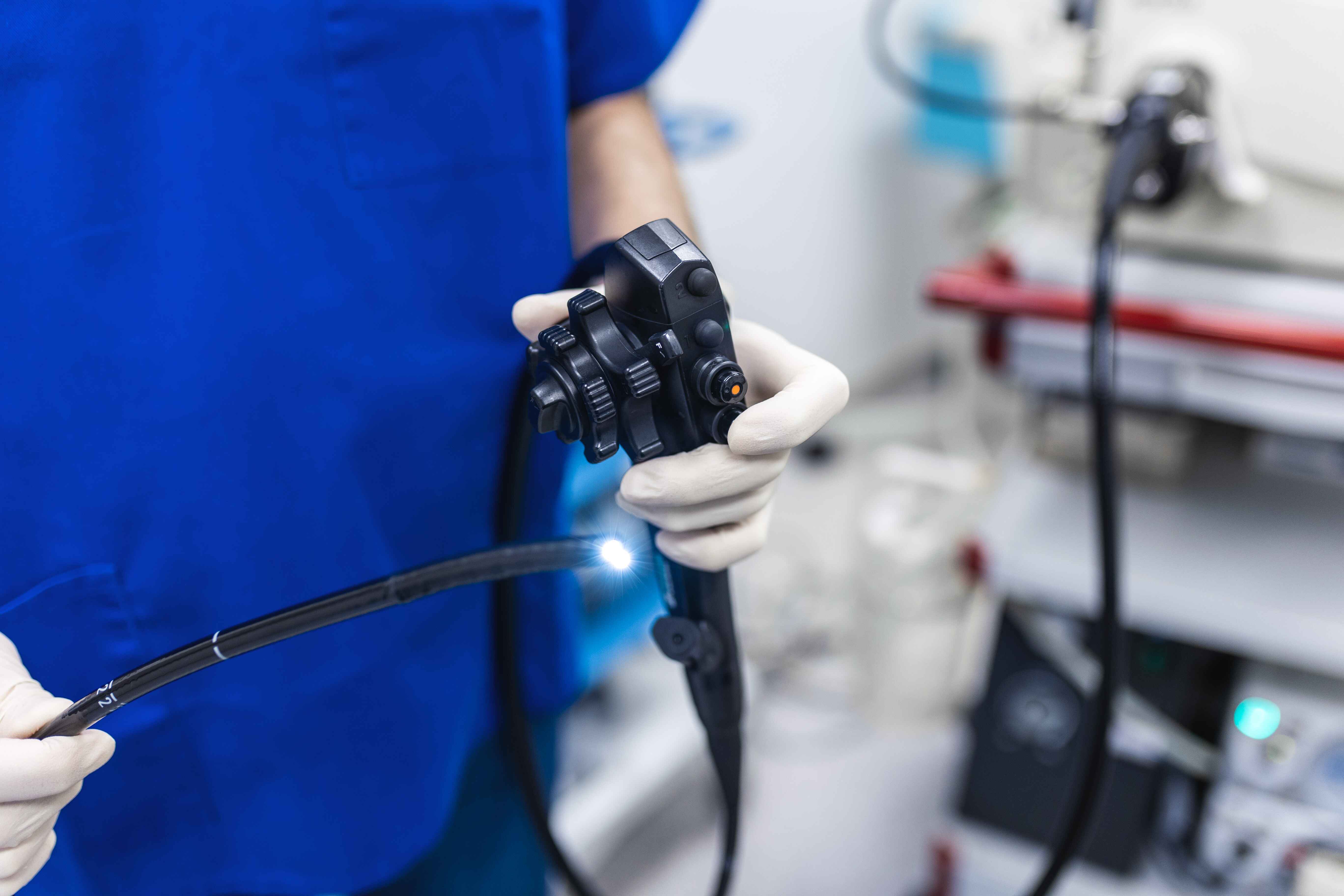
Colonoscopy offers a complete look at your colon, enabling early detection of multiple conditions such as diverticulosis, colitis, polyps, or sources of unexplained bleeding, making it an essential tool for long-term digestive health.
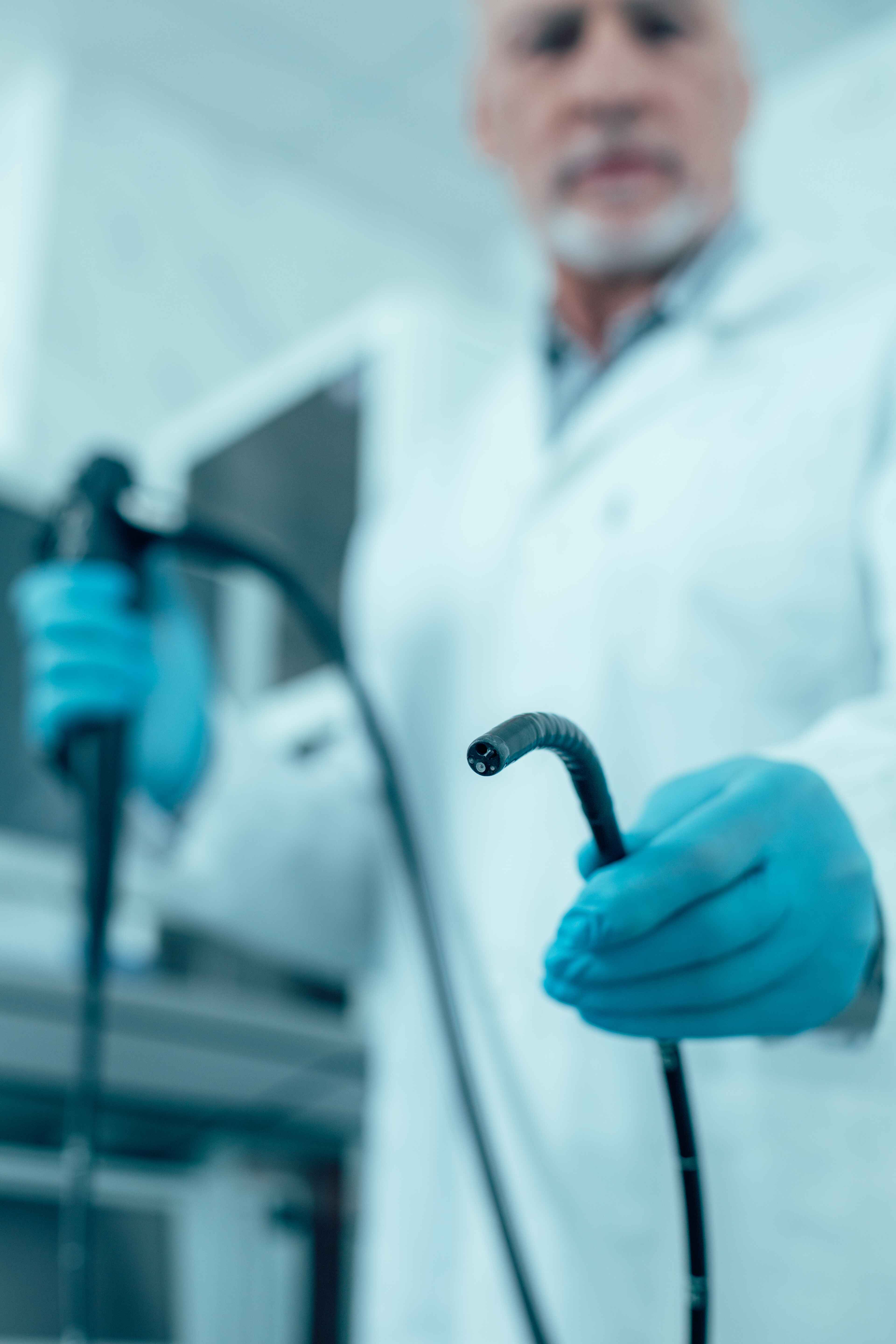
Colonoscopy is an endoscopic test performed by a Gastroenterologist experienced in the procedure where a scope (long, skinny, flexible tube) is placed into the rectum and advanced through the length of the colon. This scope blows air into the colon in order to expand it to have a good visibility and also has a small light and video camera on its tip allowing the doctor to assess in detail the interior of the colon to see the normal anatomy and/or to find abnormalities such as inflammation, ulcers, polyps or tumors. The procedure lasts approximately 30-45 minutes, and before starting it, some medications will be given into your vein to make you feel relaxed, drowsy and sleepy.
If during the colonoscopy, the doctor sees any abnormalities, then small amounts of tissue will be taken for analysis (biopsy). Also in case of finding any abnormal growths or polyps, the same will be removed.
In order to perform the procedure, you will need to follow a specific diet and take a preparation with laxatives before the colonoscopy in order to clean your colon. During this preparation, is normal to have loose motions, as you will be cleaning the stools from your colon to help the doctor to have a clear view during the procedure.
After the procedure you will stay in the recovery room for around 30 minutes for observation and you will be able to resume your normal diet. You might feel some mild abdominal bloating or cramping secondary to the air blew into your colon, but this usually resolves quickly and by itself.
Before or after the procedure certain medications, such as blood thinners, may need to be avoided temporarily.
In general, colonoscopy is a safe procedure, so don’t be scared of it.
Address
HealthBay Gastroenterology & Digestive Health - Al Wasl
Contact Us
Open Time
Sunday
08:00am - 04:00pm.Monday
08:00am - 04:00pm.Tuesday
08:00am - 04:00pm.Wednesday
08:00am - 04:00pm.Thursday
08:00am - 04:00pm.Friday
ClosedSaturday
Closed
Dr. Guinwa Khaddaj
Specialist Gastroenterologist & Hepatologist
Expert in Digestive Care